
Evripidou Alkistis
Sofouli Theatre
Theatrical Play
2023
-
Evripidou Alkistis
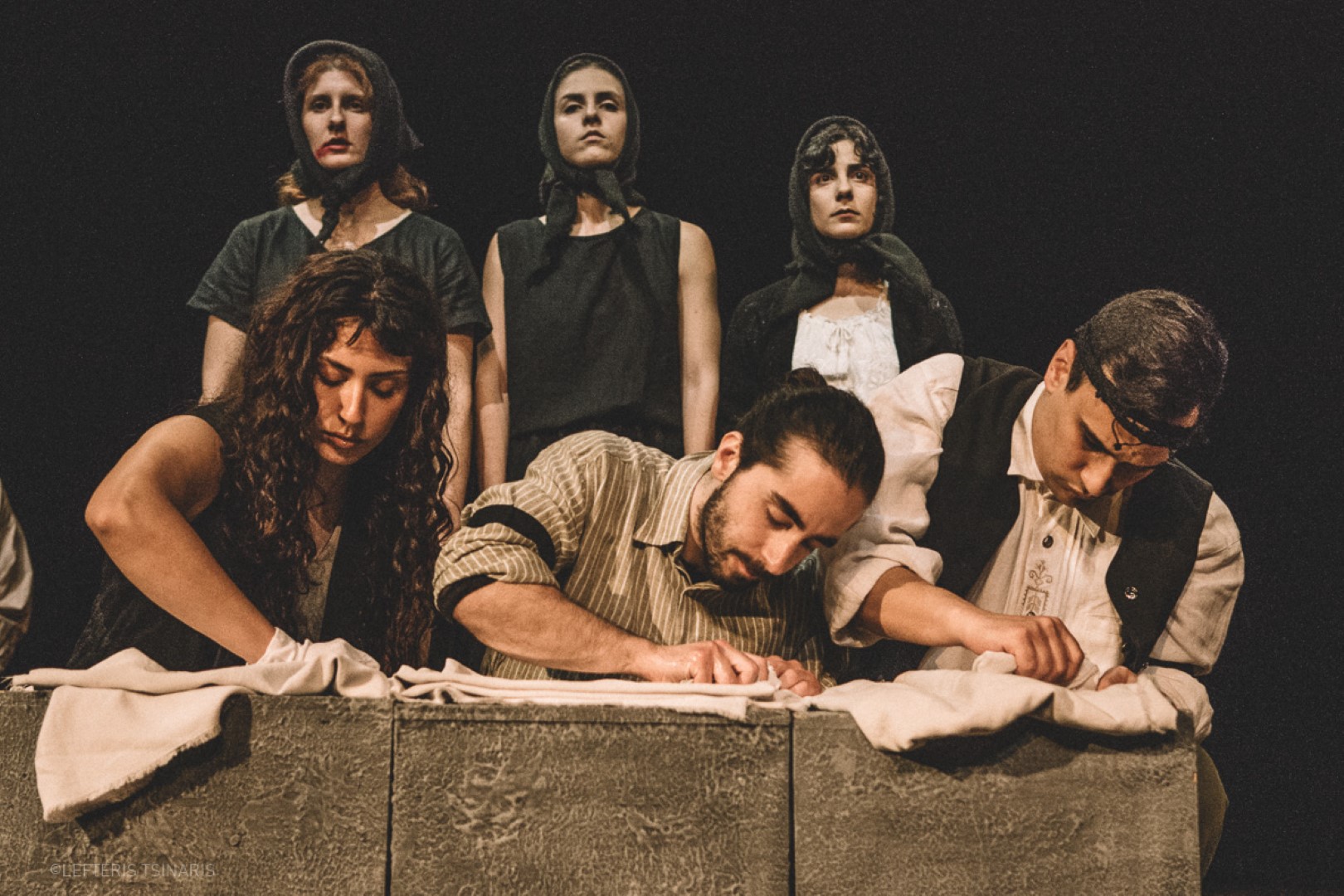
Admetus, king of the Pherons, has been condemned by the gods to die because he did not sacrifice to Artemis in his marriage to Alcestis. Apollo, however, gives him a perspective. He can live if a close relative accepts to die in his place.His parents refuse, but when Adametus asks for the sacrifice from his wife, she accepts and loses her life. The people of the city will come for the burial ceremonies. Will anyone talk about injustice? Things take an unexpected turn when Hercules decides to play his own game and bring Alcestis from the underworld back to the house of Admetus.
How far does love and sacrifice go between two lovers, between two spouses, between a man and a woman? How is a marriage killed when the priorities of one come before the rights of the other? Does anyone from around here talk about these everyday injustices? Euripides's rambunctious work, seen either as a tragedy or a satirical drama, describes the impasse of traditional male behavior, the limited choices of women and the reaction (or inaction) of those around them. A story of hidden gender oppression - where nothing is as it is said - but also an ode to mourning customs, ceremonies and costumes, in fifteen syllables of unequal verse (translated by George Tsokopoulos).
Photos



Videos

Trailer 00:55
Contributors